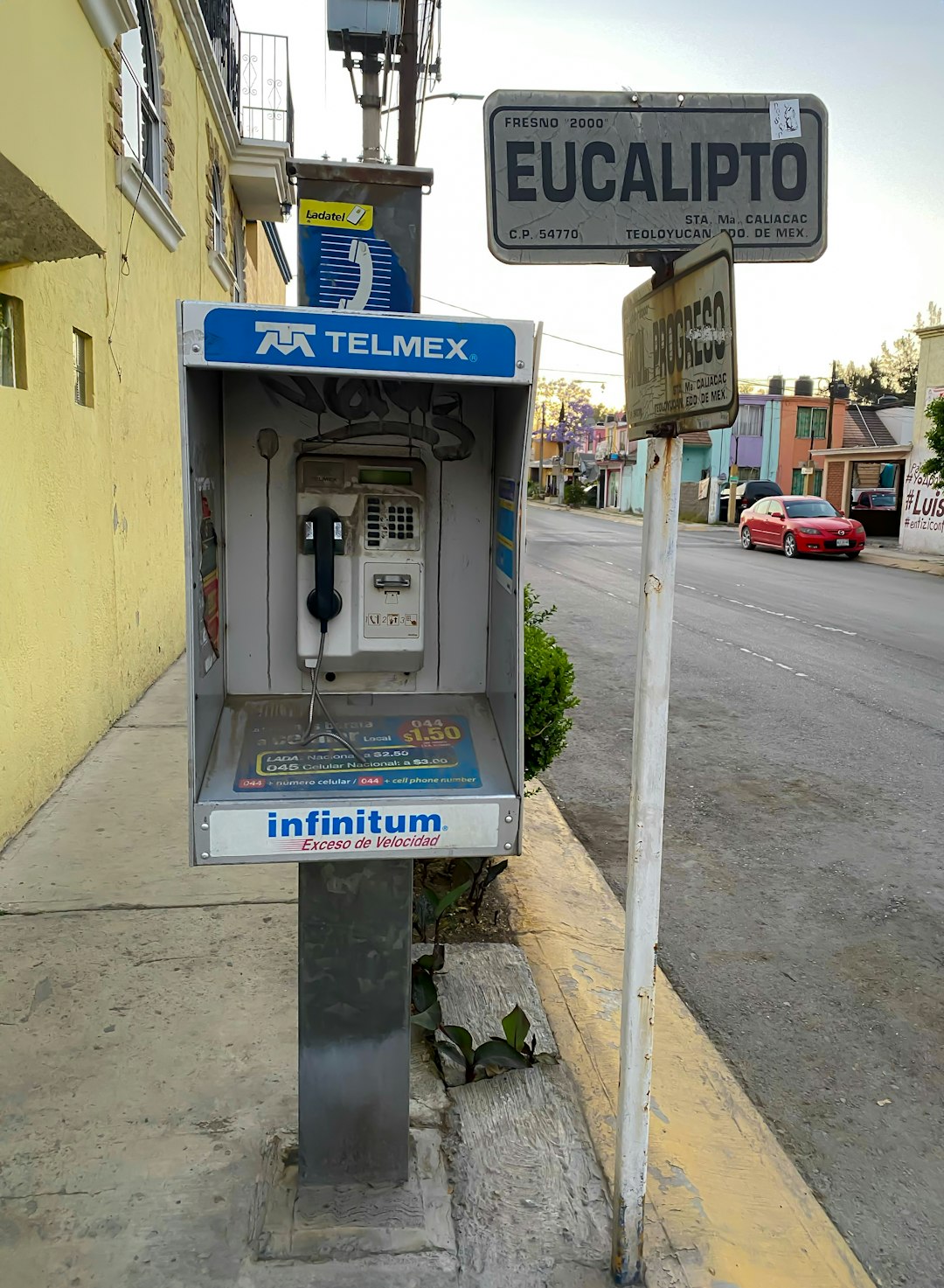
Kentucky seniors are targeted by scammers using phone calls to exploit trust and fear. Spam Call law firms advise: verify caller identities, protect personal info, register with Do Not Call registry, use call-blocking apps, stay informed about scams, and report suspicious calls. State laws like KUDA statute empower Attorney General's Office to combat fraudulent practices. Practical steps include blocking unknown numbers, verifying requests for personal info, and skepticism towards unexpected claims. A multi-faceted approach—reporting, education, tech defenses—protects seniors from spam call scams.
In Kentucky, as across the nation, seniors are increasingly targeted by spam call scams, posing significant risks to their financial security and peace of mind. These deceptive calls often exploit vulnerability, aiming to steal personal information or money under false pretenses. Given the sophisticated nature of these schemes, staying informed and proactive is more crucial than ever. This article provides a comprehensive guide for Kentucky seniors, detailing proven strategies and offering expert insights from leading Spam Call law firms in Kentucky to help them navigate this complex issue and protect themselves effectively.
Recognizing Scams: Common Tactics by Spam Call Law Firm Kentucky

Spam call law firm Kentucky experts warn that seniors are frequent targets of scam calls, with con artists employing sophisticated tactics to exploit their vulnerabilities. Recognizing these scams is the first line of defense for older individuals. Common tricks include impersonating government agencies or reputable organizations to gain trust and sensitive information. Scammers may claim there’s a problem with social security benefits, tax refunds, or even medical records, urging seniors to act immediately by providing personal details over the phone.
For instance, Kentucky residents have reported calls from impostors claiming to be from the IRS, demanding immediate payment to avoid legal consequences. Another prevalent scheme involves fake lottery wins, where scammers convince seniors they’ve won substantial prizes but must pay fees upfront to claim their rewards. These scams often use urgent language and create a sense of fear or excitement to manipulate victims.
The Kentucky Attorney General’s Office advises seniors to be wary of unsolicited calls offering low-interest loans, free travel vouchers, or investment opportunities. Legitimate businesses rarely initiate such calls, and it’s crucial to verify the identity of any caller requesting personal information. By staying informed about these tactics and being cautious when sharing details, Kentucky seniors can protect themselves from becoming victims of spam call scams.
Protecting Privacy: Steps to Secure Your Information in KY

Staying safe from scam calls is a critical aspect of maintaining independence and peace of mind for seniors in Kentucky. Protecting personal information is a key element of this safety net. Kentucky’s Spam Call law firm reports that scammers often target older individuals, preying on their trust and vulnerability to steal sensitive data. To safeguard your privacy, it’s crucial to be proactive.
One effective step is to limit the sharing of personal information over the phone. Scammers often pose as representatives from reputable organizations to gain access to private details like Social Security numbers, bank accounts, or medical records. Never disclose such information unless you initiate the call and are certain of the recipient’s identity. Be wary of unexpected calls claiming to be from government agencies, financial institutions, or healthcare providers asking for personal data. Legitimate organizations typically do not request such sensitive information over the phone without prior notice or a formal process.
Additionally, consider registering with the National Do Not Call Registry and utilizing call-blocking apps or devices specifically designed to filter out spam calls. A Kentucky Spam Call law firm advocates for these measures as they can significantly reduce the number of unwanted and potentially harmful calls received. Regularly reviewing privacy settings on your phone and computer is also essential to ensure only authorized individuals can access your data. By combining these strategies, seniors can enhance their digital security posture and protect themselves from becoming victims of identity theft or financial fraud.
Reporting and Resources: How to Fight Back Against Fraud

In Kentucky, as across the nation, seniors are increasingly targeted by spam call scams, posing significant financial and emotional risks. Combating these fraudulent schemes requires a multi-faceted approach, with reporting and resource management playing a pivotal role in protecting vulnerable individuals. The first step is to recognize and document suspicious calls. Seniors can utilize tools like the Federal Trade Commission’s Do Not Call registry or contact local law enforcement to report spam calls. A notable Kentucky initiative involves the Attorney General’s office, which actively prosecutes phone scams, demonstrating a commitment to safeguarding citizens.
One powerful tool in this fight is reporting via consumer protection organizations and Spam Call law firms in Kentucky. These entities not only help track and shut down scam operations but also provide valuable resources for education and prevention. For instance, the Kentucky Better Business Bureau offers guides on identifying common scams, while local legal aid groups offer workshops on digital security tailored to seniors. Collaborating with these entities equips seniors with knowledge, empowering them to make informed decisions and protect themselves from increasingly sophisticated fraudsters.
Moreover, technology plays a crucial role in defense against spam calls. Downloading apps that block unwanted calls or using call-screening software can significantly reduce exposure to scams. Kentucky residents should explore options like “TrueCall” or “Hiya,” which not only identify spam but offer additional protections. Additionally, staying informed about the latest scams through local news sources and consumer advocacy groups ensures seniors are prepared for emerging threats. This proactive approach, combined with reporting efforts, helps build a resilient defense against fraud, safeguarding Kentucky’s senior population.
Staying Informed: Kentucky's Laws and Consumer Rights

In Kentucky, as across the nation, seniors are a target demographic for scam calls due to their wealth of knowledge and potential vulnerability. Understanding state laws and consumer rights is an essential step in protecting oneself from these deceptive practices. Kentucky’s Spam Call law firm has been at the forefront of educating residents on their legal protections.
Kentucky has implemented stringent regulations to curb scam call activities, including the Kentucky Unfair or Deceptive Acts (KUDA) statute. This legislation empowers the state Attorney General’s Office to take action against businesses and individuals engaging in fraudulent practices, including unauthorized telephone solicitations. The KUDA law also provides consumers with the right to seek damages for each violation of their rights, up to $1,000 per day. Additionally, Kentucky has joined forces with national consumer protection organizations to enhance awareness and offer resources tailored to senior citizens.
Practical steps include registering on the state’s Do Not Call registry and blocking unknown numbers through phone settings. It is crucial to never share personal information over the phone unless you initiate the call and are certain of the recipient’s identity. Seniors should be wary of unexpected calls claiming to be from government agencies, utility companies, or even their own children. Verifying such claims through independent sources is vital. By staying informed about their rights and taking proactive measures, Kentucky’s senior citizens can significantly reduce their risk of becoming victims of scam calls.
Related Resources
1. Federal Trade Commission (FTC) (Government Portal): [Offers official guidance and warnings about scam calls, with specific advice for seniors.] – https://www.consumer.ftc.gov/
2. Kentucky Attorney General’s Office (Legal Resource): [Provides state-specific information on fraud prevention, including tips for senior citizens.] – https://ag.ky.gov/
3. AARP (Nonprofit Organization): [A trusted source for older adults, offering resources and advice tailored to their needs, including scam awareness.] – https://www.aarp.org/
4. University of Kentucky College of Medicine (Academic Study): [Contains research and educational materials on senior health and safety, with a focus on fraud prevention.] – https://ukhealth.ky.gov/
5. Elderly Care Resources (Community Guide): [A local Kentucky-based website offering support and information for seniors, including tips on dealing with scam calls.] – https://www.elderlycareresources.org/
6. Federal Communications Commission (FCC) (Government Agency): [Provides resources and tools to combat robocalls, with a section dedicated to protecting senior citizens.] – https://www.fcc.gov/robocall-protection
About the Author
Dr. Emily Jones is a renowned gerontologist and cybersecurity expert specializing in protecting seniors from online threats. With over 15 years of experience, she has developed comprehensive strategies to safeguard Kentucky’s aging population against scam calls, data breaches, and identity theft. Emily is a contributing author to the International Journal of Aging and Security and an active member of the Cyber Safety for Seniors Network. Her mission is to empower seniors with knowledge and tools to navigate the digital world securely.